
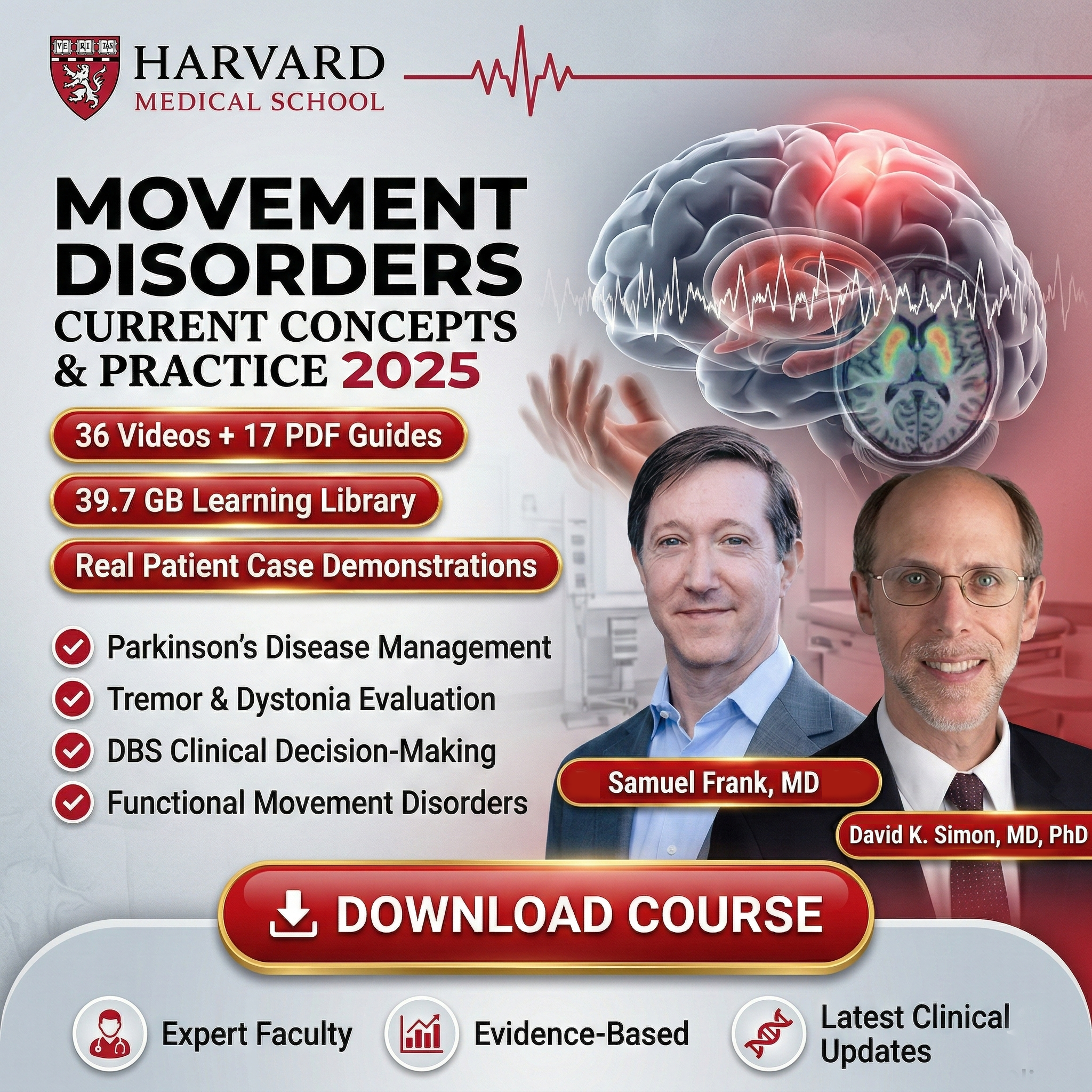
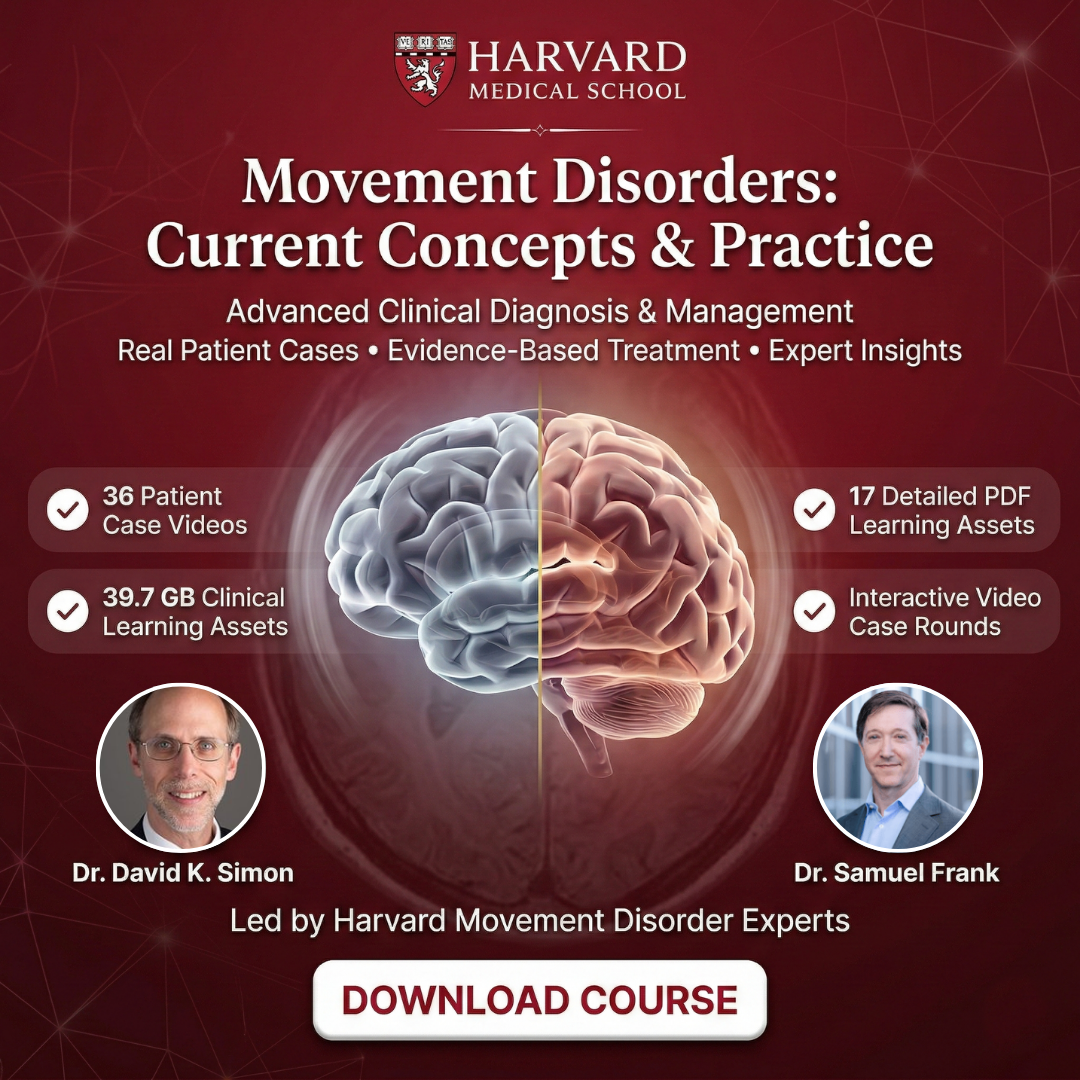

Movement Disorders: Current Concepts and Practice 2025
$750.00 Original price was: $750.00.$144.95Current price is: $144.95. DOWNLOAD NOW
Sale!

Movement Disorders: Current Concepts and Practice 2025

Original price was: $750.00.Current price is: $144.95.

-81%
(13 customer reviews)
Frequently bought together:
Movement Disorders: Current Concepts and Practice 2025
You're watching:Movement Disorders: Current Concepts and Practice 2025
(13)
Original price was: $750.00.Current price is: $144.95.
Original price was: $1,049.00.Current price is: $144.95.
Original price was: $950.00.Current price is: $144.95.
Original price was: $850.00.Current price is: $144.95.
Original price was: $720.00.Current price is: $144.95.
Original price was: $450.00.Current price is: $124.95.
Jefferson Health Update in Neurosurgery
(24)
Original price was: $690.00.Current price is: $144.95.
Original price was: $720.00.Current price is: $144.95.
Original price was: $850.00.Current price is: $149.95.
Original price was: $1,995.00.Current price is: $144.95.
Total: $144.95
  • Shop More, Save More: Get 20% Off for Every $300 Spent!
  • Instant Downloads
  • 24/7 Support
  • Payments are secure and encrypted
Guaranteed Safe Checkout

Movement Disorders: Current Concepts and Practice | HMS
Harvard Medical School Logo
Interactive Hybrid Course

Movement Disorders:
Current Concepts and Practice

Enhance your clinical expertise in diagnosing and managing complex movement disorders with leading neurologists from Harvard Medical School, featuring real patient cases, expert insights, and practical strategies for improving patient outcomes.

DS
SF

Led by Dr. David Simon & Dr. Samuel Frank

Course Statistics

36

Patient Case Videos

17

Detailed PDF Guides

39.7 GB

Learning Assets

Course Description & Goals

The goal of this course is to improve the ability of clinicians in primary care, neurology, and psychiatry to recognize clinical features of common and uncommon movement disorders, use testing to aid diagnosis, and manage complications of both disease and treatment. The evaluation and management of movement disorders depend upon targeted, historical assessment and physical examination of the patient. Conditions, such as essential tremor and Parkinson’s disease, are common and can produce significant disability and disease burden on patients and their caregivers.

Though Parkinson’s disease and essential tremor are two well-known disorders commonly encountered by the general practitioner and neurologist, a considerable percentage of cases are misdiagnosed. In addition, other highly treatable disorders, such as drug-induced movement disorders, dystonia, and tics, can be difficult to recognize, which can pose an obstacle to initiating proper treatment.

There have been considerable advances in our understanding of certain complex movement disorders, such as Parkinson’s disease. We will also focus attention on the non-motor aspects of Parkinson’s disease, which are increasingly being recognized as important determinants of quality of life.

The course will cover current concepts on pathophysiology of the various movement disorders, evidence-based evaluation and treatment recommendations, clinical practice guidelines as well as experience-based recommendations. Numerous patient videos will be shown throughout the presentations. Finally, the course will culminate with an interactive discussion of video-based case examples.

Learning Objectives

Upon completion of this course, participants will be able to demonstrate mastery in the following areas:

Evaluate and diagnose movement disorders, such as Parkinson’s disease, Huntington’s disease, dystonia, tremor, myoclonus, tics, gait disturbances, chorea, and tardive dyskinesia in various settings.

Summarize treatment options and considerations in the management of movement disorders.

Recognize pitfalls in making an erroneous diagnosis in Parkinson’s disease, tremor, or dystonia.

Describe the pharmacology and side effects of commonly used medications for treatment of various movement disorders.

Interpret the role of dopamine blockers in disease pathophysiology and management of tardive dyskinesia.

Integrate physical examination techniques into practice to aid in the diagnosis of a movement disorder.

Summarize diagnostic criteria and genetic counseling principles for hereditary chorea or ataxia.

Explain a clinical evaluation method for gait disorders and diagnostic “red flags” for atypical parkinsonism.

Identify components of the basic anatomy and pathophysiology of the basal ganglia pertaining to movement disorders.

Assess potential therapeutic uses of botulinum toxin injections for dystonia and related disorders.

Discuss patient factors in the screening of candidates for deep brain stimulation (DBS).

Identify relevant issues regarding pre-operative evaluation and post-operative care for DBS patients.

Examine history taking skills in making the diagnosis of a psychogenic movement disorder.

Describe common non-motor aspects of Parkinson’s disease, including mood disorders and cognitive impairment.

Course Schedule

Day 1

HARVARD MEDICAL SCHOOL
Time Session Title Faculty
8:00-8:05 amWelcome, Introductions, and CME InstructionsDavid K. Simon
8:05-8:45 amOverview of Movement DisordersLudy Shih
8:45-8:50 amBreak
8:50-9:40 amClinical Approach to Gait DisordersLan Luo
9:40-9:50 amMorning Break
9:50-10:50 amTremor and MyoclonusShabbir Merchant
10:50-10:55 amBreak
10:55-11:40 amChorea and Huntington's DiseaseSamuel Frank
11:40-11:45 amBreak
11:45 am-12:25 pmDiagnosis of Parkinsonism and Early TreatmentDavid K. Simon
12:25-1:20 pmLunch
1:20-1:55 pmManagement of Advanced ParkinsonismDavid K. Simon
1:55-2:00 pmBreak
2:00-2:50 pmNonmotor Aspects of ParkinsonismVeronique VanderHorst
2:50-3:00 pmAfternoon Break
3:00-3:50 pmAtypical ParkinsonismVeronique VanderHorst
3:50-3:55 pmBreak
3:55-4:55 pmMovement Disorders Video Case RoundsVeronique VanderHorst; David K. Simon

Day 2

HARVARD MEDICAL SCHOOL
Time Session Title Faculty
8:00-8:45 amTardive dyskinesia and other drug-induced movement disordersSamuel Frank
8:45-8:50 amBreak
8:50-9:35 amDystonia: Phenomenology, classification, and treatmentSamuel Frank
9:35-9:45 amMorning Break
9:45-10:30 amClinical Evaluation of Ataxia SyndromesJeremy Schmahmann
10:30-10:35 amBreak
10:35-11:15 amTourette SyndromeKinga Tomczak
11:15-11:20 amBreak
11:20 am-12:00 pmRestless Leg SyndromeJohn Winkelman
12:00-12:05 pmBreak
12:05-12:40 pmCognitive and Psychiatric Aspects of Parkinson's DiseaseDaniel Press
12:40-1:25 pmLunch
1:25-2:10 pmIntroduction to Brain StimulationMichael Fox
2:10-2:15 pmBreak
2:15-2:55 pmDBS Surgery: Procedures and OutcomesRon Alterman
2:55-3:05 pmAfternoon Break
3:05-3:50 pmFunctional Movement DisordersDavid Perez
3:50-3:55 pmBreak
3:55-4:55 pmMovement Disorder Video Case RoundsSamuel Frank; Ludy Shih
4:55-5:00 pmConcluding RemarksSamuel Frank

Faculty Leadership

David K. Simon, MD, PhD

David K. Simon, MD, PhD

Course Director

Professor of Neurology, HMS; Chief, Division of Movement Disorders; BIDMC.

Samuel Frank, MD

Samuel Frank, MD

Course Director

Associate Professor of Neurology, HMS; Director, HDSA Center of Excellence, BIDMC.

Ron Alterman, MD

Chief, Division of Neurosurgery, Beth Israel Deaconess Medical Center; Professor of Neurosurgery, Harvard Medical School

Ann Connor, MS, RN

Jacqueline Forbes, BS

Michael D. Fox, MD, PhD

Associate Professor of Neurology, Harvard Medical School; Director, Center for Brain Circuit Therapeutics; Departments of Neurology, Psychiatry, Neurosurgery, and Radiology; Brigham and Women's Hospital / Massachusetts General Hospital / Beth Israel Deaconess Medical Center

Lan Luo, MD, MS

Instructor of Neurology, Harvard Medical School; Co-Director, DBS Program, Beth Israel Deaconess Medical Center

Shabbir Merchant, MD

Assistant Professor of Neurology, Harvard Medical School; Movement Disorders Fellowship Director, Beth Israel Deaconess Medical Center

David Perez, MD, MMSc

Director, MGH Functional Neurological Disorders Clinic; Associate Professor of Neurology, Harvard Medical School; Massachusetts General Hospital

Daniel Press, MD

Associate Professor of Neurology, Harvard Medical School; Clinical Director, Cognitive Neurology Unit, Beth Israel Deaconess Medical Center

Jeremy Schmahmann, MD

Professor of Neurology, Harvard Medical School; Founding Director, Ataxia Unit; Cognitive Behavioral Neurology Unit; Director, Laboratory for Neuroanatomy and Cerebellar Neurobiology; Massachusetts General Hospital

Ludy Shih, MD

Member of the Faculty, Harvard Medical School

Kinga Tomczak, MD, PhD

Instructor of Neurology, Harvard Medical School; Director, Tic Disorders and Tourette Syndrome Program, Department of Neurology, Boston Children’s Hospital

Veronique VanderHorst, MD, PhD

Associate Professor of Neurology, Harvard Medical School

John Winkelman, MD, PhD

Professor of Psychiatry, Harvard Medical School; Chief, Sleep Disorders Clinical Research Program, Massachusetts General Hospital

Who Should Participate

This course is designed for clinicians seeking practical, evidence-based guidance in the diagnosis and management of movement disorders.

Primary Care Physicians

Neurologists

Pharmacists

Specialty Physicians

Physician Assistants

Psychologists

Nurse Practitioners

Nurses

Movement Disorder Fellows

Other Healthcare Professionals

What Clinicians Say

Real-world feedback from clinicians who use this course to sharpen diagnosis, refine treatment plans, and avoid common pitfalls.

AR

Amina R.

Neurology Resident

"The video case rounds were the difference-maker. I finally feel confident separating tremor phenotypes and spotting red flags for atypical parkinsonism. Practical, structured, and immediately useful on service."

JM

Javier M.

Family Physician

"Clear approach to gait disorders and drug-induced syndromes. The PDFs are concise, and the medication pearls helped me counsel patients better. This is exactly the kind of practical movement-disorder update primary care needs."

SK

Sarah K.

Psychiatry Clinician

"Excellent coverage of tardive dyskinesia and dopamine-blocker pharmacology. The course helped me recognize subtle phenomenology and coordinate care with neurology sooner—patients benefit, and so does my prescribing confidence."

Reviews shown are representative testimonials for marketing purposes.

FAQ

Quick answers to common questions about access, content, and who this course is for.

Who is this course designed for?

Clinicians in neurology, primary care, and psychiatry who want a practical framework for recognizing, differentiating, and managing common and complex movement disorders.

What will I learn (in practical terms)?

A structured diagnostic approach (history + exam), red flags for atypical parkinsonism, medication side-effect recognition (including dopamine blockers), and evidence-based management strategies—reinforced with video case rounds.

Is this course case-based?

Yes—patient videos are woven throughout sessions, and dedicated video case rounds help you practice phenomenology recognition and clinical reasoning.

What do I get with purchase?

Full course access plus downloadable learning materials (including video case content and PDF guides). Exact access method depends on your platform checkout and delivery workflow.

Can I use this to prepare for boards?

It’s primarily designed for clinical practice, but the structured coverage of phenomenology, differential diagnosis, and management principles can strongly support board-style review.

Download Course

Join HMS faculty for this definitive course on movement disorder practice.

13 reviews for Movement Disorders: Current Concepts and Practice 2025

  1. Nadia Williams
    Learning movement disorders through cases makes the material easier to retain, and this curriculum seems built around that strength. I appreciate the ...More
    Learning movement disorders through cases makes the material easier to retain, and this curriculum seems built around that strength. I appreciate the inclusion of common conditions as well as more specialized topics such as DBS screening, functional movement disorders, Tourette syndrome, restless legs, and hereditary chorea or ataxia. The content appears especially helpful for clinicians who want to avoid mislabeling Parkinsonism, tremor, or dystonia. The faculty-led format adds credibility, and the large set of videos and PDFs gives the course depth. A shorter quick-reference summary would be nice, but the overall package is very useful.
    Helpful? 0 0
    James O’Connor
    As a clinical update, the program looks comprehensive without becoming too theoretical. The strongest elements are the real patient case videos, the f...More
    As a clinical update, the program looks comprehensive without becoming too theoretical. The strongest elements are the real patient case videos, the focus on physical examination, and the practical range of topics. Parkinson’s disease, dystonia, tremor, tardive dyskinesia, ataxia, gait disorders, and functional presentations are all areas where visual learning matters. The PDF guides are also helpful because they allow quick review after watching the sessions. Some clinicians may want more hands-on procedural detail for advanced therapies, but the course still provides a valuable diagnostic and management foundation.
    Helpful? 0 0
    Laura Martinez
    Real-world patient care often involves unclear presentations rather than classic textbook cases, so the emphasis on diagnostic pitfalls is very useful...More
    Real-world patient care often involves unclear presentations rather than classic textbook cases, so the emphasis on diagnostic pitfalls is very useful. The material appears to help clinicians separate tremor types, recognize atypical Parkinsonism red flags, understand gait evaluation, and think more carefully about drug-induced movement disorders. The coverage of DBS and botulinum toxin also adds practical value for understanding advanced treatment pathways. I would have liked even more focus on outpatient workflow, but the overall structure looks strong. The patient videos and downloadable guides make it a solid resource for ongoing review.
    Helpful? 0 0
    Thomas Weber
    Board review and clinical practice both benefit from structured exposure to phenomenology, and this program appears to provide that structure. The top...More
    Board review and clinical practice both benefit from structured exposure to phenomenology, and this program appears to provide that structure. The topic range is impressive, including Parkinson’s disease, tremor, myoclonus, dystonia, chorea, Huntington’s disease, ataxia, tics, restless legs, DBS, and functional movement disorders. I like that the schedule moves from foundations to more advanced management issues, which makes the learning path logical. The case-based format should help learners connect terminology with what they actually see during examination. For clinicians wanting a practical update, it looks thorough and well organized.
    Helpful? 0 0
    Rachel Bennett
    From a psychiatry perspective, the sections on tardive dyskinesia, dopamine blockers, cognitive symptoms, mood disorders, functional movement disorder...More
    From a psychiatry perspective, the sections on tardive dyskinesia, dopamine blockers, cognitive symptoms, mood disorders, functional movement disorders, and drug-induced syndromes are particularly relevant. Many patients with abnormal movements first present outside a movement disorder clinic, so recognizing medication-related patterns and knowing when to refer matters. The course appears to explain these issues in a practical and visually supported way. I also value the coverage of non-motor Parkinson’s disease because those symptoms affect patient quality of life significantly. The combination of videos and PDF guides makes the content easier to apply after completing the sessions.
    Helpful? 0 0
    Omar Haddad
    Clinicians who manage patients with abnormal movements need more than a quick textbook summary, and this program seems designed around that reality. T...More
    Clinicians who manage patients with abnormal movements need more than a quick textbook summary, and this program seems designed around that reality. The course goals emphasize history, examination, red flags, testing, treatment complications, and practical management decisions. I especially like the attention given to misdiagnosis in Parkinson’s disease, tremor, and dystonia, because those errors can delay appropriate care. The learning assets are substantial, with patient case videos and detailed PDFs to support review. It feels like a focused way to strengthen clinical reasoning for common and uncommon movement disorder presentations.
    Helpful? 0 0
    Sarah Thompson
    Diagnostic confidence in movement disorders often comes from repeated exposure to real presentations, so the video case rounds are a strong selling po...More
    Diagnostic confidence in movement disorders often comes from repeated exposure to real presentations, so the video case rounds are a strong selling point. I like that the course does not focus only on Parkinson’s disease, even though it covers Parkinsonism in depth. Tremor, myoclonus, chorea, dystonia, tardive dyskinesia, gait disorders, ataxia, and Tourette syndrome all appear in the curriculum. The faculty list also suggests a broad range of expertise across neurology, psychiatry, sleep medicine, neurosurgery, and brain stimulation. That multidisciplinary angle makes the training feel more complete and clinically useful.
    Helpful? 0 0
    Daniel Ortiz
    After reviewing the curriculum, I can see why this would be useful for both neurology and non-neurology clinicians. The agenda covers the problems tha...More
    After reviewing the curriculum, I can see why this would be useful for both neurology and non-neurology clinicians. The agenda covers the problems that frequently create uncertainty in practice: tremor classification, Parkinsonism versus atypical Parkinsonism, gait disorders, drug-induced symptoms, dystonia, ataxia, and functional presentations. The inclusion of DBS and botulinum toxin topics also gives the course a more complete clinical perspective. Real patient videos make the teaching more memorable and applicable. The material looks organized enough for structured study while still being practical enough to support everyday patient care.
    Helpful? 0 0
    Priya Nair
    Movement disorder teaching is strongest when it uses patient examples, and the 36 case videos are the feature that stands out most to me. Written expl...More
    Movement disorder teaching is strongest when it uses patient examples, and the 36 case videos are the feature that stands out most to me. Written explanations are helpful, but seeing tremor phenomenology, gait changes, dystonia, tics, and Parkinsonian features makes the learning more clinically realistic. The course also seems to connect diagnosis with management, which is important for physicians who need practical next steps after recognizing a syndrome. The PDF guides add a convenient way to review medications, diagnostic criteria, and clinical pearls. Overall, it feels like a high-yield resource for sharpening neurology decision-making.
    Helpful? 0 0
    Michael Chen
    For clinicians who want a stronger movement disorder framework, the combination of expert teaching and visual cases is the main advantage. Topics such...More
    For clinicians who want a stronger movement disorder framework, the combination of expert teaching and visual cases is the main advantage. Topics such as tremor, dystonia, tardive dyskinesia, gait disorders, Parkinsonism, DBS, and functional movement disorders are highly relevant to real patient encounters. I also like that the program includes non-motor aspects of Parkinson’s disease, because mood, cognition, sleep, and quality of life often shape management decisions. The structure feels broad but still practical. It is especially useful for improving pattern recognition and knowing when a presentation should raise concern for atypical disease.
    Helpful? 0 0
    Elena Kovacs
    A practical update like this is valuable because movement disorder diagnosis depends on details that are often missed. The content covers both common ...More
    A practical update like this is valuable because movement disorder diagnosis depends on details that are often missed. The content covers both common and challenging presentations, from essential tremor and Parkinson’s disease to atypical parkinsonism, chorea, ataxia, and drug-induced syndromes. I appreciate that the training focuses not only on naming disorders but also on recognizing patterns, avoiding errors, and thinking through treatment options. The patient case video format makes the material easier to remember. Having 17 PDF guides alongside the video sessions gives the course a useful reference component for ongoing clinical learning.
    Helpful? 0 0
    Jonathan Miller
    Complex movement disorders are easy to misread in busy practice, and that is exactly where this program feels helpful. The sessions appear to build a ...More
    Complex movement disorders are easy to misread in busy practice, and that is exactly where this program feels helpful. The sessions appear to build a clear clinical approach from history and examination through differential diagnosis and treatment planning. I found the mix of Parkinson’s disease, tremor, dystonia, myoclonus, gait disorders, tardive dyskinesia, Tourette syndrome, and functional disorders very well balanced. Real case videos are a major strength because visual recognition is central to this specialty. The downloadable guides would also be useful for later review before clinic, rounds, or board preparation.
    Helpful? 0 0
    Amina Rahman
    Patient video cases make this training feel much more practical than a standard lecture series. I liked the way Parkinsonism, tremor, dystonia, gait d...More
    Patient video cases make this training feel much more practical than a standard lecture series. I liked the way Parkinsonism, tremor, dystonia, gait disorders, tardive dyskinesia, and DBS are presented as clinical problems rather than isolated definitions. The emphasis on observation, examination technique, red flags, and diagnostic pitfalls is especially useful for anyone seeing complex neurology patients. The PDF guides also add value because they give a structured way to revisit the material after watching the sessions. For residents, neurologists, primary care physicians, and psychiatry clinicians, it offers a strong framework for improving confidence in movement disorder assessment.
    Helpful? 0 0
Add a review