Harvard 5th Annual Update in Neuro-Oncology 2025
5th Annual Update in Neuro-Oncology 2025
$720.00 Original price was: $720.00.$144.95Current price is: $144.95. DOWNLOAD NOW
Sale!

5th Annual Update in Neuro-Oncology 2025

Original price was: $720.00.Current price is: $144.95.

-80%
(17 customer reviews)
Frequently bought together:
Harvard 5th Annual Update in Neuro-Oncology 2025
You're watching:5th Annual Update in Neuro-Oncology 2025
(17)
Original price was: $720.00.Current price is: $144.95.
Original price was: $750.00.Current price is: $144.95.
Original price was: $1,049.00.Current price is: $144.95.
Original price was: $950.00.Current price is: $144.95.
Original price was: $850.00.Current price is: $144.95.
Original price was: $1,200.00.Current price is: $144.95.
AAN Annual On Demand 2024
(15)
Original price was: $1,800.00.Current price is: $188.88.
Original price was: $520.00.Current price is: $109.95.
Original price was: $490.00.Current price is: $109.95.
Original price was: $690.00.Current price is: $144.95.
Total: $144.95
  • Shop More, Save More: Get 20% Off for Every $300 Spent!
  • Instant Downloads
  • 24/7 Support
  • Payments are secure and encrypted
Guaranteed Safe Checkout

Harvard Medical School Logo

Course Syllabus

Harvard Annual Update in Neuro-Oncology 2025

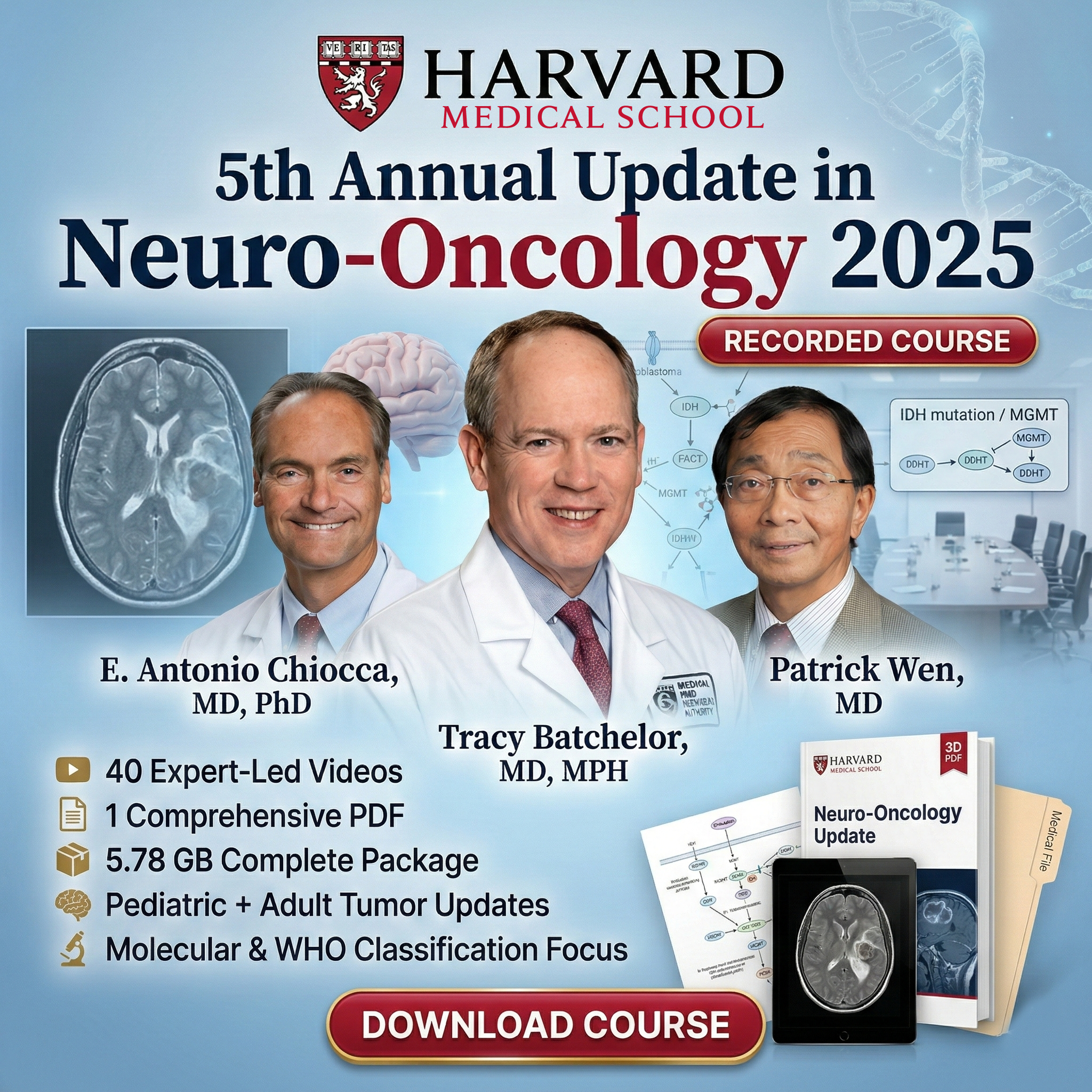
Deepen your expertise in neuro-oncology with this expert-led course offering the latest advances in diagnosis, treatment, and management of CNS and PNS tumors and neurological complications of cancer.

Course Overview

Neuro-oncology is a rapidly evolving multi-disciplinary field involving the medical, radiation, and surgical management of pediatric and adult patients with primary and metastatic tumors of the central nervous system (CNS) and peripheral nervous system (PNS).

This three-day course is designed to provide an international audience with a comprehensive review of the diagnosis and management of pediatric and adult patients with primary and metastatic CNS and PNS tumors, specific neurogenetic syndromes, and neurological complications of cancer. Essential modern molecular neuropathology and neuroradiology concepts for accurate diagnosis and classification will also be thoroughly covered.

Target Audience

This course is highly relevant to providers and trainees involved in the care of adult and pediatric neuro-oncology patients:

  • Neurologists & Oncologists
  • Radiation Oncologists & Neurosurgeons
  • Neuroradiologists & Neuropathologists
  • Nurse Practitioners & Physician Assistants
  • Psychologists, Pharmacists & Nurses

Learning Objectives

Upon completion of this course, participants will be able to:

1

Define the role of molecular biomarkers in the accurate diagnosis and classification of pediatric and adult CNS and PNS tumors.

2

Determine standard and novel treatment approaches to pediatric and adult CNS and PNS tumors.

3

Recognize and manage neurological complications associated with new cancer therapies.

4

Describe and manage long-term complications of CNS and PNS tumors and their treatment.

Included Materials

  • 40 High-Quality Videos
  • 1 Comprehensive PDF
  • Total Size: 5.78 GB
  • Delivered via Google Drive

Course Schedule

Comprehensive three-day agenda covering pediatric and adult neuro-oncology.

Day 1: Wednesday, July 23, 2025

Theme: Pediatric Neuro-Oncology

Time Topic Speaker
10:00 - 10:10 am Opening Remarks: Pediatric Neuro-Oncology Session Lissa Baird
10:10 - 10:40 am WHO Classification, Pediatric CNS Tumors Sanda Alexandrescu
10:40 - 11:10 am Advances in the Imaging of Pediatric Brain Tumors Tina Young Poussaint
11:10 - 11:30 am Embryonal Tumors Susan Chi
11:30 - 11:50 am Pediatric Low-Grade Gliomas Pratiti Bandopadhayay
11:50 - 12:00 pm Break
12:00 - 12:30 pm Pediatric High-Grade Gliomas Mariella Filbin
12:30 - 12:45 pm Ependymomas Karen Wright
12:45 - 1:15 pm Live Question and Answer Session Lissa Baird
1:15 - 1:30 pm Break
1:30 - 1:45 pm Choroid Plexus Tumors Viviana Benitez
1:45 - 2:00 pm Pineal Tumors Shannon MacDonald
2:00 - 2:15 pm Germ Cell Tumors Kee Kiat Yeo
2:15 - 2:45 pm Neurofibromatosis and Schwannomatosis Justin Jordan
2:45 - 3:00 pm Von Hippel Lindau Othon Iliopoulos
3:00 - 3:15 pm Live Question and Answer Session Lissa Baird
3:15 - 3:45 pm Live CNS Tumor Board Mariella Filbin; Ralph Salloum
3:45 - 3:50 pm Adjourn

Day 2: Thursday, July 24, 2025

Theme: Adult Neuro-Oncology

Time Topic Speaker
10:00 - 10:05 am Welcome: Adult Neuro-Oncology Tracy Batchelor
10:05 - 10:20 am Advances in Surgery for Brain Tumors E. Antonio Chiocca
10:20 - 10:35 am Advances in the Imaging of Adult Brain Tumors Raymond Huang
10:35 - 10:50 am Advances in Radiation for Brain Tumors Ariel Marciscano
10:50 - 11:20 am WHO Classification for Adult Gliomas Maria Martinez-Lage Alvarez
11:20 - 11:35 am Live Question and Answer Session Tracy Batchelor
11:35 - 12:00 pm Break
12:00 - 12:30 pm Gliomas, IDH-Mutant L. Nicolas Gonzalez Castro
12:30 - 12:45 pm Gliomas, IDH-Wildtype Isabel Arrillaga-Romany
12:45 - 1:15 pm Advances in Experimental Therapies for Gliomas David Reardon
1:15 - 1:45 pm Live CNS Tumor Board L. Nicolas Gonzalez Castro
1:45 - 2:00 pm Break
2:00 - 2:15 pm Meningiomas Wenya Linda Bi
2:15 - 2:30 pm CNS Lymphomas Tracy Batchelor
2:30 - 2:45 pm Pituitary Tumors Pamela Jones
2:45 - 3:00 pm Live Question and Answer Session L. Nicolas Gonzalez Castro
3:00 - 3:05 pm Adjourn

Day 3: Friday, July 25, 2025

Theme: Neurological Complications of Cancer

Time Topic Speaker
10:00 - 10:05 am Welcome: Neurological Complications of Cancer Patrick Wen
10:05 - 10:35 am Metastases to the Brain Priscilla Brastianos
10:35 - 10:50 am Metastases to the Leptomeninges Nancy Wang
10:50 - 11:05 am Metastases to the Epidural Space and Spinal Cord John Chi
11:05 - 11:20 am Paraneoplastic Neurological Syndromes David Gritsch
11:20 - 11:40 am Live Question and Answer Session Patrick Wen
11:40 - 12:00 pm Break
12:00 - 12:30 pm Common Neurological Complications in Cancer Patients Julie Miller
12:30 - 12:45 pm Neurological Complications of Cancer Immunotherapies Jorg Dietrich
12:45 - 1:00 pm Survivorship of CNS tumors Deborah Forst
1:00 - 1:15 pm Live Question and Answer Session Patrick Wen
1:15 - 1:45 pm Live CNS Tumor Board Annie Hsieh
1:45 - 2:00 pm Closing Statements Tracy Batchelor

Course Faculty

Harvard Medical School Continuing Education attracts the best and brightest faculty from all around the world. As a student in this course, you’ll have access to outstanding course directors and faculty.

Course Directors
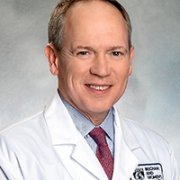
Tracy Batchelor, MD, MPH

Tracy Batchelor, MD, MPH

Course Director

Neurologist-in-Chief and Chair, Department of Neurology, Mass General Brigham
Martin A. Samuels Professor of Neurology, Harvard Medical School
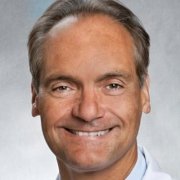
E. Antonio Chiocca, MD, PhD

E. Antonio Chiocca, MD, PhD

Course Director

Neurosurgeon-in-Chief and Chair, Department of Neurosurgery, Brigham and Women’s Hospital
Harvey W. Cushing Professor of Neurosurgery, Harvard Medical School

Patrick Wen, MD

Patrick Wen, MD

Course Director

Director, Center for Neuro-Oncology, Dana-Farber Cancer Institute
Professor of Neurology, Harvard Medical School

Faculty

Sanda Alexandrescu, MD

Associate Professor of Pathology, Harvard Medical School

Isabel Arrillaga-Romany, MD

Assistant Professor of Neurology, Harvard Medical School

Lissa Baird, MD

Member of the Faculty of Neurosurgery, Harvard Medical School

Pratiti Bandopadhayay, MBBS, PhD

Associate Professor of Pediatrics, Harvard Medical School

Viviana Benitez, MD

Instructor in Neurology, Harvard Medical School

Wenya Linda Bi, MD, PhD

Associate Professor of Neurosurgery, Harvard Medical School

Priscilla Brastianos, MD

Associate Professor of Medicine, Harvard Medical School

John H. Chi, MD, MPH

Associate Professor of Neurosurgery, Harvard Medical School

Susan N. Chi, MD

Associate Professor of Pediatrics, Harvard Medical School

Jorg Dietrich, MD, PhD

Associate Professor of Neurology, Harvard Medical School

Lisa M. Doherty, NP

Nurse Practitioner

Mariella Filbin, MD, PhD

Associate Professor of Pediatrics, Harvard Medical School

Deborah Forst, MD

Assistant Professor of Neurology, Harvard Medical School

Galina Gheihman, MD

Assistant Professor of Neurology, Harvard Medical School

L. Nicolas Gonzalez Castro, MD, PhD

Assistant Professor of Neurology, Harvard Medical School

David Gritsch, MD, PhD

Instructor in Neurology, Harvard Medical School

Annie Hsieh, MD, PhD

Instructor in Neurology, Harvard Medical School

Raymond Y. Huang, MD, PhD

Associate Professor of Radiology, Harvard Medical School

Othon Iliopoulos, MD

Associate Professor of Medicine, Harvard Medical School

Pamela S. Jones, MD, MPH

Assistant Professor of Neurosurgery, Harvard Medical School

Justin Jordan, MD, MPH

Associate Professor of Neurology, University of Texas Southwestern Medical Center

Shannon MacDonald, MD

Medical Director, Southwest Florida Protons

Ariel Marciscano, MD

Assistant Professor of Radiation Oncology, Harvard Medical School

Maria Martinez-Lage Alvarez, MD

Assistant Professor of Pathology, Harvard Medical School

Julie Miller, MD, PhD

Assistant Professor of Neurology, Harvard Medical School

Tina Young Poussaint, MD, FACR

Professor of Radiology, Harvard Medical School

David Reardon, MD

Professor of Medicine, Harvard Medical School

Ralph Salloum, MD

Associate Professor of Pediatrics, Harvard Medical School

Nancy Wang, MD, MPH

Instructor in Neurology, Harvard Medical School

Frank Winkler, MD

Professor of Experimental Neuro-Oncology and Managing Senior Physician, Heidelberg University Faculty of Medicine

Karen Wright, MD

Assistant Professor of Pediatrics, Harvard Medical School

Kee Kiat Yeo, MD

Assistant Professor of Pediatrics, Harvard Medical School


Participant Reviews

Hear from past attendees about their experience with our neuro-oncology update courses.

"An incredible update on the latest in neuro-oncology. The live tumor board discussions were incredibly valuable and translated directly to my daily practice."
- Clinical Neurologist, 2024 Attendee
"The caliber of the faculty is unmatched. Getting to hear directly from the leaders writing the WHO classification guidelines was a highlight."
- Neuropathologist, 2024 Attendee
"A brilliantly organized course. The balance between pediatric and adult neuro-oncology gave me a well-rounded perspective."
- Medical Oncologist, 2023 Attendee

Frequently Asked Questions

Are the sessions recorded for later viewing?

Yes, this is a recorded course. All video lectures and materials are available to registered attendees with lifetime access.

Are there prerequisites for this course?

While there are no strict prerequisites, the content is targeted toward practicing healthcare professionals and trainees who are actively involved in the care of neuro-oncology patients.

17 reviews for 5th Annual Update in Neuro-Oncology 2025

  1. Dr. Natalie Brooks
    This course provides a broad, updated, and clinically relevant review of neuro-oncology. I found the pediatric tumor day especially valuable, since it...More
    This course provides a broad, updated, and clinically relevant review of neuro-oncology. I found the pediatric tumor day especially valuable, since it covers many tumor types that are difficult to review efficiently elsewhere. The adult neuro-oncology lectures are also strong, particularly the discussions of glioma classification, imaging, surgery, radiation, and experimental therapies. The final day on neurological complications of cancer adds practical value for clinicians who manage complex cancer patients. The content is dense but well structured, and the recorded access makes it easier to review challenging sections more than once.
    Helpful? 0 0
    Dr. Kevin O’Donnell
    I appreciated how practical this course felt despite covering advanced academic material. The sessions on standard and novel treatment approaches were...More
    I appreciated how practical this course felt despite covering advanced academic material. The sessions on standard and novel treatment approaches were particularly helpful, and the tumor board discussions made the learning feel closer to real clinical decision-making. The coverage of immunotherapy-related neurological complications is important because these issues are becoming more frequent in oncology practice. The course also gives useful attention to survivorship and long-term treatment effects. It is not a light overview, and some topics require prior knowledge, but it is a valuable course for clinicians who want a detailed update.
    Helpful? 0 0
    Dr. Sophia Martinez
    This neuro-oncology update is highly educational and well organized. The three-day structure makes sense, and each day has a clear theme that helps th...More
    This neuro-oncology update is highly educational and well organized. The three-day structure makes sense, and each day has a clear theme that helps the learner follow the progression of topics. I liked that the course includes both tumor-specific management and broader neurological complications of cancer. The faculty presentations feel authoritative, especially in molecular pathology, radiology, and experimental treatment areas. The course may be too advanced for someone without a medical background, but for clinicians and trainees it offers a strong, current, and practical review of the field.
    Helpful? 0 0
    Dr. Robert Hayes
    The best aspect of this course is the way it connects scientific advances with clinical management. Instead of treating imaging, pathology, surgery, r...More
    The best aspect of this course is the way it connects scientific advances with clinical management. Instead of treating imaging, pathology, surgery, radiation, and medical oncology as separate topics, the course makes it clear how they influence each other in CNS tumor care. I found the lectures on brain metastases and leptomeningeal disease very useful, especially because these are common and challenging problems in cancer patients. The pediatric content is also strong. I gave four stars because the material is dense, but for a specialist audience, that depth is exactly what makes it valuable.
    Helpful? 0 0
    Dr. Melissa Grant
    This course does an excellent job showing how neuro-oncology has become more molecular, multidisciplinary, and patient-specific. The lectures on WHO c...More
    This course does an excellent job showing how neuro-oncology has become more molecular, multidisciplinary, and patient-specific. The lectures on WHO classification and biomarkers were especially useful because they clarify why accurate diagnosis is now inseparable from treatment planning. I also appreciated the attention given to long-term complications and survivorship, since these issues matter greatly for patients and families. The course is information-heavy, so it requires focus, but it rewards careful viewing. I would recommend it to neurologists, oncologists, neurosurgeons, radiation oncologists, and advanced trainees who want an updated overview.
    Helpful? 0 0
    Dr. Andrew Collins
    I found this course useful because it brings together many topics that are usually scattered across different meetings or journal reviews. The agenda ...More
    I found this course useful because it brings together many topics that are usually scattered across different meetings or journal reviews. The agenda includes pediatric tumors, adult primary brain tumors, metastases, neurogenetic syndromes, neuropathology, neuroradiology, and cancer therapy complications. That breadth makes it helpful for clinicians who participate in tumor boards or coordinate care across specialties. The recorded format is convenient, especially for revisiting complex lectures. A few sessions could benefit from more case summaries, but the tumor board components partially address that. Overall, it is a strong and practical update.
    Helpful? 0 0
    Dr. Priya Nair
    The course is comprehensive and very relevant for clinicians caring for patients with brain and nervous system tumors. I especially valued the pediatr...More
    The course is comprehensive and very relevant for clinicians caring for patients with brain and nervous system tumors. I especially valued the pediatric lectures because they explained different tumor entities in a focused and practical way. The adult section is also strong, particularly the sessions on glioma classification, IDH status, and experimental therapies. The faculty expertise is evident throughout the material. Some presentations are very detailed, which may feel challenging for non-specialists, but the benefit is that the course does not oversimplify complex topics. It is a reliable update for serious clinical learning.
    Helpful? 0 0
    Dr. Christopher Allen
    This is a well-built course for reviewing both pediatric and adult neuro-oncology. The lectures are concise but rich in content, and the agenda covers...More
    This is a well-built course for reviewing both pediatric and adult neuro-oncology. The lectures are concise but rich in content, and the agenda covers many areas that are important in real practice. I appreciated the attention given to imaging, pathology, radiation advances, surgical developments, and experimental therapies, because treatment decisions are rarely made from one perspective alone. The third day on complications of cancer is a major strength. It helped reinforce how neuro-oncology is not only about tumors, but also about managing the neurological consequences of cancer and its treatments.
    Helpful? 0 0
    Dr. Rachel Thompson
    The Harvard Annual Update in Neuro-Oncology 2025 provides an organized and thoughtful review of a fast-moving field. I found the adult glioma sessions...More
    The Harvard Annual Update in Neuro-Oncology 2025 provides an organized and thoughtful review of a fast-moving field. I found the adult glioma sessions particularly helpful because they connect molecular diagnosis with clinical decision-making. The section on neurological complications of cancer is also very relevant, especially as immunotherapies and newer systemic treatments become more common. The course is best suited to clinicians and advanced trainees, not casual learners, because the language and concepts assume some medical background. For its intended audience, however, it is detailed, relevant, and worth studying carefully.
    Helpful? 0 0
    Dr. Daniel Morgan
    I was impressed by the scope of the course. It covers both common and uncommon neuro-oncology topics, including gliomas, embryonal tumors, ependymomas...More
    I was impressed by the scope of the course. It covers both common and uncommon neuro-oncology topics, including gliomas, embryonal tumors, ependymomas, meningiomas, CNS lymphoma, pituitary tumors, brain metastases, and paraneoplastic syndromes. The lectures feel current and clinically grounded, with enough scientific detail to be useful for specialists. The discussions around WHO classification and molecular biomarkers were among the most important parts. I would have liked more downloadable quick-reference tables, but the video content itself is strong. This is a practical update for anyone working in a multidisciplinary cancer environment.
    Helpful? 0 0
    Dr. Hannah Lewis
    This course is a strong fit for clinicians who need a structured review of neuro-oncology in 2025. I appreciated the combination of pathology, radiolo...More
    This course is a strong fit for clinicians who need a structured review of neuro-oncology in 2025. I appreciated the combination of pathology, radiology, treatment strategy, and practical complication management. The tumor board sessions add an important clinical dimension by showing how expert faculty think through real scenarios. The pediatric section is detailed and useful, particularly for rare tumors and neurogenetic syndromes. Some lectures move quickly, especially when covering molecular classification, but the recorded format helps a lot. Overall, it is a high-quality educational resource for professionals involved in CNS tumor care.
    Helpful? 0 0
    Dr. Jonathan Price
    The course delivers a solid overview of modern CNS and PNS tumor management. I liked the way the three-day agenda is organized, starting with pediatri...More
    The course delivers a solid overview of modern CNS and PNS tumor management. I liked the way the three-day agenda is organized, starting with pediatric neuro-oncology, moving into adult brain tumors, and finishing with neurological complications of cancer. The recorded lectures are useful for reviewing complicated topics at a comfortable pace. The content on brain metastases, leptomeningeal disease, and immunotherapy complications was particularly valuable for my practice. My only reason for giving four stars is that the material is highly dense, so beginners may need additional references. For experienced clinicians, it is an excellent update.
    Helpful? 0 0
    Dr. Laura Bennett
    I found this course very helpful for updating my understanding of current neuro-oncology practice. The strongest feature is the multidisciplinary appr...More
    I found this course very helpful for updating my understanding of current neuro-oncology practice. The strongest feature is the multidisciplinary approach, because it reflects how these patients are actually managed. The sessions on molecular biomarkers and imaging advances were especially relevant, and I appreciated the inclusion of survivorship and late complications. Some sections are quite specialized and may require pausing or reviewing background material, particularly for learners outside neurology or oncology. However, that depth is also what makes the course worthwhile. It is a strong resource for clinicians who want a serious, detailed review.
    Helpful? 0 0
    Dr. James Anderson
    This is one of the more complete neuro-oncology updates I have reviewed. The material is broad enough to cover pediatric CNS tumors, adult gliomas, me...More
    This is one of the more complete neuro-oncology updates I have reviewed. The material is broad enough to cover pediatric CNS tumors, adult gliomas, meningiomas, CNS lymphoma, pituitary tumors, metastases, leptomeningeal disease, and complications of cancer therapy. At the same time, the lectures remain focused and clinically meaningful. The faculty lineup gives the content a high level of authority, especially in areas such as WHO classification, imaging advances, and experimental therapies. For anyone involved in tumor boards or multidisciplinary CNS cancer care, the course provides a strong refresher and several practical takeaways.
    Helpful? 0 0
    Dr. Sarah Mitchell
    What stood out to me was the balance between advanced academic content and real-world clinical relevance. The course does not simply list tumor types;...More
    What stood out to me was the balance between advanced academic content and real-world clinical relevance. The course does not simply list tumor types; it explains why molecular pathology, neuroradiology, surgery, radiation, and medical oncology must be interpreted together. The pediatric neuro-oncology day was particularly strong, especially the sessions on low-grade gliomas, high-grade gliomas, ependymomas, and neurogenetic syndromes. I also liked that metastatic disease and neurological complications of cancer were given a full dedicated day. This makes the course useful for neurologists, oncologists, neurosurgeons, and trainees who want a comprehensive update.
    Helpful? 0 0
    Dr. Michael Reynolds
    The structure of this neuro-oncology update is excellent. It moves from pediatric tumors to adult gliomas and then into neurological complications of ...More
    The structure of this neuro-oncology update is excellent. It moves from pediatric tumors to adult gliomas and then into neurological complications of cancer in a logical progression. I found the lectures on IDH-mutant and IDH-wildtype gliomas especially useful, because they clarify how modern classification directly affects treatment planning and prognosis conversations. The course also does a good job highlighting complications from immunotherapy and long-term survivorship issues, which are often underrepresented in standard oncology training. It is dense, but the recorded format makes it easy to revisit the most important sessions.
    Helpful? 0 0
    Dr. Emily Carter
    This course gives a clear and clinically useful update on neuro-oncology without feeling superficial. I appreciated how the pediatric and adult sectio...More
    This course gives a clear and clinically useful update on neuro-oncology without feeling superficial. I appreciated how the pediatric and adult sections were separated, because each patient population has very different diagnostic and treatment considerations. The strongest parts for me were the WHO classification updates, the molecular biomarker discussions, and the tumor board style sessions. They helped connect pathology, imaging, surgery, radiation, and systemic therapy into one practical framework. For clinicians who already see complex CNS tumor cases, this is a valuable way to refresh knowledge and identify where practice is changing.
    Helpful? 0 0
Add a review